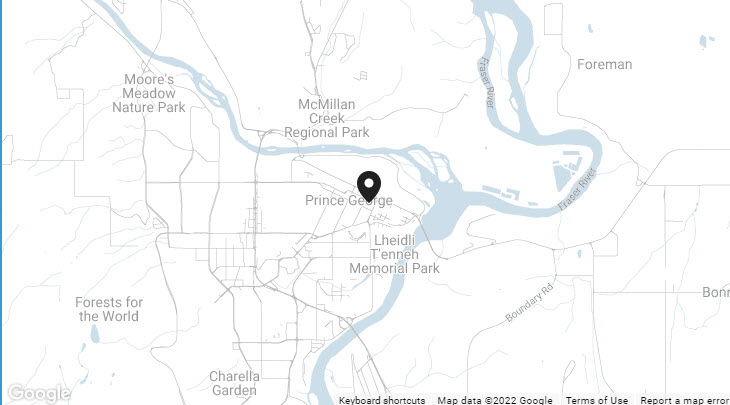
Proudly serving Prince George & Northern BC for more than 10 years.
Divorce Mediation Prince George Bc
As professionals at Duncan & Associates, we have spent years helping families in Prince George, British Columbia navigate the complexities of separation and divorce. One of the most effective alternatives to traditional litigation is divorce mediation in Prince George BC-a process that allows couples to resolve disputes with the guidance of a neutral third party rather than through courtroom battles. Understanding this approach can save you time, money, and emotional strain during one of life's most challenging transitions.
Divorce mediation is a voluntary process where both spouses work with a trained mediator to reach agreements on key issues such as asset division, child custody, support payments, and property distribution. Unlike litigation, where a judge imposes decisions, mediation empowers you and your spouse to create custom solutions that reflect your family's unique circumstances. This collaborative approach has become increasingly popular throughout Northern BC because it addresses the practical and emotional needs of separating families more effectively than adversarial court proceedings.
What Is Divorce Mediation and How Does It Work?
Divorce mediation is a structured negotiation process facilitated by a neutral professional who helps both parties communicate and reach mutually acceptable agreements. The mediator does not take sides, make decisions, or provide legal advice to either party; instead, they guide the conversation, ensure both voices are heard, and help identify common ground on contentious issues.
The typical mediation process begins with an initial consultation where the mediator explains the process, discusses confidentiality agreements, and establishes ground rules for respectful communication. Both spouses then attend joint sessions-or separate sessions if needed-where they discuss property division, spousal support, child custody, and child support arrangements. The mediator helps clarify each party's interests and assists in generating creative solutions that work for both sides.
In Prince George and across Northern BC, mediation sessions are typically scheduled weekly or bi-weekly, allowing time between meetings for reflection and consultation with legal counsel. Most straightforward cases resolve within four to eight sessions, though complex matters involving significant assets or custody disputes may require additional time. Throughout the process, both parties retain the right to consult with independent lawyers to review agreements before signing.
Key Benefits of Divorce Mediation in Prince George BC
The advantages of choosing mediation over litigation are substantial and well-documented. Most significantly, mediation costs substantially less than contested court proceedings. While litigation can extend over months or years with court dates, legal motions, and expert testimony, mediation typically resolves matters more efficiently, reducing overall legal fees by an estimated 40-60 percent depending on case complexity.
Beyond financial savings, mediation preserves relationships-a crucial consideration when children are involved. Because the process emphasizes cooperation rather than conflict, parents maintain better communication patterns after divorce, which directly benefits co-parenting arrangements. Research consistently shows that children adjust better to separation when parents divorce amicably through mediation rather than through contentious litigation.
Another critical advantage is control and customization. In court, a judge applies legal standards to reach decisions you may not prefer. In mediation, you and your spouse design agreements that reflect your values, priorities, and family's specific needs. For example, you might agree to flexible custody arrangements that accommodate school schedules, work commitments, or extended family relationships in ways that suit your particular situation rather than following a standard template.
Mediation also offers privacy and confidentiality. Court proceedings are public record, meaning details of your finances, family conflicts, and personal matters become accessible to anyone. Mediated settlements remain confidential, protecting your family's privacy. Additionally, mediation typically resolves faster than litigation, allowing both parties to move forward with their lives more quickly rather than remaining entangled in the legal system for extended periods.
Critical Issues Addressed in Divorce Mediation Prince George BC
Effective mediation addresses all major aspects of separation to produce a comprehensive settlement agreement. Property and asset division is often the most complex issue, requiring clear identification and valuation of marital assets including the family home, vehicles, bank accounts, investments, retirement savings, and business interests. The mediator helps ensure both parties understand what assets exist and supports fair distribution according to BC family law principles.
Spousal support-sometimes called alimony-is negotiated based on factors such as income disparity, duration of marriage, age and health of both parties, and whether one spouse sacrificed career opportunities to support the family. Mediation allows for creative arrangements, such as time-limited support that decreases over time or support conditioned on education or employment efforts.
Child custody and parenting arrangements represent another crucial mediation focus. Agreements must address legal custody (decision-making authority regarding education, healthcare, and major life decisions) and physical custody (where the child resides). The mediator emphasizes the best interests of the child, helping parents develop schedules that maintain strong relationships with both parents while minimizing disruption to the child's life.
Child support calculations in BC follow provincial guidelines based on parental income, but mediation allows flexibility in how support is structured and allocated. For instance, parents might agree to specific arrangements for educational expenses, extracurricular activities, or healthcare costs beyond standard child support calculations. This level of customization often produces more satisfactory outcomes for all family members.
When Mediation May Not Be Appropriate
While divorce mediation is highly effective in many situations, certain circumstances make it unsuitable or inadvisable. Mediation requires good faith participation from both parties and a reasonable power balance between spouses. In cases involving domestic violence, abuse, or severe power imbalances, mediation may not provide a safe environment for one party to negotiate freely. If you have experienced abuse or feel unsafe, consult with a family law attorney who can advise on protective measures and alternative dispute resolution approaches.
Similarly, if one spouse is hiding assets, refusing to disclose financial information, or demonstrating dishonesty about material facts, mediation becomes problematic because agreements rest on incomplete or inaccurate information. Cases involving complex financial situations, such as business ownership, investment portfolios, or international assets, may benefit from lawyer-assisted mediation or collaborative divorce processes rather than traditional mediation alone.
Some individuals simply prefer the structure and finality of litigation, or disputes are so contentious that cooperation seems impossible. In these circumstances, working with experienced family law counsel through the court system may be the appropriate path forward. The key is making an informed decision about which dispute resolution method best serves your circumstances and protects your interests.
Practical Recommendations for Successful Mediation
If you decide to pursue mediation, several practical steps improve your chances of reaching a favorable agreement. First, gather comprehensive financial documentation before mediation begins-bank statements, investment account statements, property valuations, mortgage documents, tax returns, and employment records. Complete financial disclosure prevents misunderstandings and demonstrates good faith commitment to fair resolution.
Second, consult with a family law attorney before, during, and after mediation. Your lawyer can explain your rights under BC family law, review proposed agreements before you sign them, and ensure the final settlement protects your interests. Many lawyers in Prince George and Northern BC offer unbundled services where you pay only for specific consultations rather than full representation, making legal advice affordable alongside mediation.
Third, approach mediation with realistic expectations and genuine willingness to compromise. The goal is a settlement that both parties can live with, not necessarily an outcome where either side gets everything they want. Coming prepared to listen to your spouse's concerns and articulate your own interests clearly accelerates the process and improves outcomes.
Fourth, maintain focus on your children's wellbeing if custody or parenting time is involved. Mediation works best when parents prioritize their children's needs over personal disputes. Agreements crafted with this focus tend to endure and remain workable as circumstances change over time.
Finally, understand that mediation confidentiality means you cannot use statements made during mediation as evidence in court if mediation fails. This protection encourages candid conversation. However, any final written agreement you sign is binding and enforceable, so ensure you fully understand and agree to all terms before signing.
Frequently Asked Questions
How much does divorce mediation cost in Prince George BC compared to going to court?
Mediation typically costs 40-60 percent less than litigation because it avoids lengthy court proceedings, multiple legal motions, and expert witness fees. A straightforward mediation in Prince George BC usually costs between $2,000 and $8,000 total depending on case complexity and the mediator's hourly rate, whereas contested divorce litigation frequently exceeds $15,000 to $30,000 or more. Both parties share the mediator's fee equally, making it a more economical approach for families seeking to resolve disagreements efficiently.
Can I use a mediator if we have children and disagree about custody in Prince George BC?
Yes, child custody and parenting arrangements are among the primary issues resolved through divorce mediation in Prince George BC. A trained mediator helps parents develop custody schedules and co-parenting agreements that prioritize children's best interests while respecting both parents' relationships with their children. However, if safety concerns such as domestic violence or abuse are present, you should consult a family law attorney before proceeding with mediation.
What happens if mediation fails and we cannot reach an agreement?
If mediation does not produce a complete settlement, you retain the full right to pursue litigation through the courts in Prince George, British Columbia. All statements and proposals made during mediation are confidential and cannot be used as evidence in court, so failed mediation does not disadvantage either party if litigation becomes necessary. Many families use mediation to resolve some issues, then proceed to court only on disputed matters, which still reduces overall legal costs and time compared to full litigation from the start.