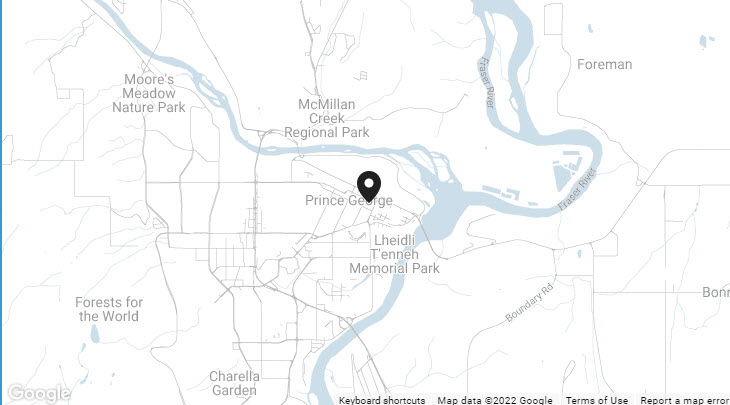
Proudly serving Prince George & Northern BC for more than 10 years.
Domestic Assault Lawyer Clearwater Bc
If you are facing domestic assault charges in Clearwater, BC, or anywhere in Northern British Columbia, understanding the legal landscape is essential before engaging representation. A domestic assault lawyer in Clearwater BC specializes in one of the most sensitive and complex areas of criminal law, where allegations carry profound personal, professional, and legal consequences. This guide provides technical insight into what you need to know about domestic assault charges, the legal process, and how specialized counsel can protect your rights.
1. Understanding the Legal Definition and Statutory Framework
Domestic assault is prosecuted under the Criminal Code of Canada, primarily under section 265, which defines assault as intentionally applying force to another person without consent, or attempting or threatening to apply such force. What distinguishes a domestic assault charge from other assault offenses is the relationship between the parties involved-specifically, current or former intimate partners, family members, or persons in positions of trust or authority. The Crown does not need to prove physical injury occurred; threatening gestures, unwanted touching, or attempts to cause force can all constitute assault under law.
When charges involve domestic relationships, additional aggravating factors may apply, including prior history, patterns of behavior, presence of children, and whether weapons or threats were involved. A domestic assault lawyer in Clearwater BC will analyze the specific statutory elements and aggravating circumstances to identify potential defenses or mitigating factors applicable to your case.
2. The Role of Victim Safety Orders and No-Contact Conditions
Upon arrest or first appearance for domestic assault, the court typically imposes strict conditions on release, including no-contact orders, residence restrictions, or non-harassment clauses. These conditions are designed to protect the alleged victim but can severely restrict your freedom and access to family members or shared property. Understanding the precise wording of these orders is critical-violating even a single condition can result in additional criminal charges for breaching a court order under section 145 of the Criminal Code.
A domestic assault lawyer in Clearwater BC will work to negotiate the least restrictive conditions possible, such as supervised contact with children or permission to attend your residence for specific purposes. The Crown and court consider factors including the nature of allegations, your criminal history, community ties, and employment stability when determining conditions. Proper legal representation at this early stage can prevent secondary charges that complicate your overall position.
3. Crown Disclosure and Evidence Analysis
After charges are laid, the Crown is obligated to provide full disclosure-all evidence supporting the prosecution, including witness statements, police reports, photographs, medical records, and 911 calls. This disclosure is foundational to building an effective defense. Your domestic assault lawyer in Clearwater BC will systematically review this material to identify inconsistencies, gaps in evidence, credibility issues with witnesses, or procedural errors that could weaken the Crown's case.
Domestic assault cases frequently involve conflicting accounts from the alleged victim and accused. Disclosure analysis helps determine whether corroborating evidence exists, whether injuries are consistent with the allegations, and whether statements were recorded or documented contemporaneously. Additionally, counsel will assess whether police properly obtained statements and whether any Charter rights were violated during the investigation.
4. Defenses and Mitigation Strategies in Domestic Assault Cases
Several defenses may apply depending on the specific facts:
Self-defense: Section 34 of the Criminal Code permits use of force reasonably necessary to protect yourself from unlawful force or threat of force.
Lack of intent: If the Crown cannot prove you intentionally applied force or threatened to apply force, conviction is not possible.
Consent: In limited circumstances, consent to force (such as in sporting activities) may apply, though this is rarely viable in domestic contexts.
Charter violations: If police breached your rights during arrest, detention, or questioning, evidence may be excluded under the Canadian Charter of Rights and Freedoms.
Credibility challenges: If the alleged victim's testimony contains material inconsistencies or contradictions with objective evidence, reasonable doubt may be established.
Beyond defenses, mitigation strategies-such as counseling, anger management programming, or character references-may influence sentencing outcomes even if guilt is established. A lawyer serving clients in Prince George, British Columbia and the surrounding region understands local sentencing practices and which rehabilitative measures carry weight with judges in Northern BC courtrooms.
5. Bail Hearings and Detention Risk Assessment
If you are detained after arrest, a bail hearing determines whether you will be released pending trial and under what conditions. The Crown must establish that detention is justified on grounds including flight risk, public safety, or confidence in the administration of justice. Your domestic assault lawyer in Clearwater BC will prepare evidence and submissions demonstrating your community ties, employment, family responsibilities, and lack of prior breaches to secure your release.
Bail hearings in domestic assault cases are particularly contested because victim safety is a paramount concern for the court. Effective advocacy requires presenting a coherent plan that addresses perceived risks-such as secured housing away from the alleged victim, employment confirmation, or third-party supervision. Failure to secure reasonable bail conditions can result in weeks or months of pre-trial custody, undermining your ability to prepare a defense and maintain employment.
6. The Importance of Early Legal Intervention
Engaging counsel immediately after arrest or upon learning charges will be laid provides several advantages. Early involvement allows your lawyer to attend police interviews, prevent inadvertent admissions, and gather evidence before memories fade or witnesses become unavailable. Additionally, prompt legal advice regarding no-contact orders and other conditions prevents inadvertent breaches that compound legal jeopardy. Duncan & Associates has provided criminal defense representation across Northern BC for over a decade, offering experience in the early intervention strategies that protect your position from the outset.
7. The Distinction Between Criminal and Civil Proceedings
A criminal domestic assault conviction can result in jail time, a permanent criminal record, loss of professional licenses, immigration consequences (if applicable), and firearm prohibitions. However, civil remedies may also exist-the alleged victim could pursue a civil claim for damages in Provincial Court. These proceedings operate under different rules of evidence and burden of proof, and a criminal acquittal does not prevent civil liability. Understanding this dual exposure and how your criminal defense strategy may affect civil exposure is essential for comprehensive legal planning.
Frequently Asked Questions
What happens if I'm arrested for domestic assault in Clearwater BC?
Upon arrest, you will be taken into police custody where you have the right to remain silent and to contact a lawyer immediately. Police will conduct an investigation and may take photographs, statements, and evidence. You will be brought before a judge within 24 hours for a bail hearing to determine release conditions. Engaging a domestic assault lawyer in Clearwater BC before your first court appearance is critical to protecting your rights and negotiating reasonable conditions.
Can I contact my family member if there's a no-contact order?
No-contact orders issued by the court are legally binding, and any contact-direct, indirect, through third parties, or via social media-constitutes a breach and may result in additional criminal charges. However, a domestic assault lawyer can apply to the court to modify conditions to permit supervised contact with children or other necessary communication. Violating court orders significantly worsens your legal position and must be avoided.
How long does a domestic assault case typically take to resolve?
The timeline depends on case complexity, disclosure volume, and court scheduling. Simple cases may resolve within months through guilty pleas or withdrawal by the Crown, while contested trials can take one to two years from charge to verdict. Factors including your criminal history, the strength of evidence, and whether trials are available all affect duration. Your lawyer can provide a realistic timeline estimate after reviewing the specific circumstances of your charge.